Airport News

Leonardo da Vinci–Fiumicino Airport (FCO) November 2025 Flight Statistics Report (Flight Volume, On-Time Performance, Cancellations)
Flight Volume and Growth TrendsIn November 2025, Leonardo da Vinci–Fiumicino Airport (FCO) recorded a total of 11,092 departing flights. This represents a slight year-over-year decrease of -1.74%, reflecting a minor contraction in flight operations compared to November 2024. Despite the decline, the airport maintained a steady flow of air traffic, serving as a critical hub for both domestic and international routes. The slight reduction in flight volume aligns with seasonal trends and broader market adjustments observed across the aviation industry during this period.On-Time Performance AnalysisThe on-time performance rate for departing flights at FCO in November 2025 was recorded at 76.33%. This marks a significant improvement of +12.67 percentage points compared to the same month in the previous year. The increase in punctuality can be attributed to enhanced operational efficiency and favorable weather conditions during the month. The airport's efforts to streamline ground operations and improve coordination with airlines have contributed to this positive trend, ensuring a better travel experience for passengers.Cancellations and Operational StabilityDuring November 2025, FCO reported a total of 118 flight cancellations, which is a +26.88% increase compared to November 2024. While the rise in cancellations is notable, it is important to consider external factors such as air traffic control disruptions and unforeseen technical issues that may have contributed to this figure. Despite the increase, the airport maintained a high level of operational stability, minimizing the impact on passengers through effective communication and contingency planning.Overall Assessment and OutlookLeonardo da Vinci–Fiumicino Airport (FCO) demonstrated resilience in November 2025, with improvements in on-time performance offsetting a slight decline in flight volume and an increase in cancellations. The airport's strategic initiatives to enhance operational efficiency and passenger experience have yielded positive results. Looking ahead, FCO is expected to continue its role as a key aviation hub, with ongoing investments in infrastructure and technology aimed at further improving service quality and capacity.Travel Recommendations and Passenger TipsPassengers traveling through FCO in the coming months are encouraged to plan their journeys with the help of the NextFly App. The app provides real-time updates on flight schedules, boarding gate information, and baggage carousel details. Additionally, features such as live flight radar, airport weather updates, and on-time performance rates can help travelers stay informed and prepared. For a smoother experience, passengers are advised to arrive at the airport early, especially during peak travel periods, and to stay updated on any potential changes to their flight schedules.
2025/12/04 01:47
Sabiha Gökçen (SAW) November 2025 Flight Statistics Report (Flight Volume, On-Time Performance, Cancellations)
Flight Volume and Growth TrendsIn November 2025, Sabiha Gökçen International Airport (SAW) recorded a total of 11,007 departing flights. This represents a year-over-year increase of +13.30%, showcasing a robust recovery in air travel demand. The airport's consistent growth trend highlights its strategic importance as a key hub in the region. The increase in flight volume can be attributed to the growing demand for both domestic and international travel, as well as the addition of new routes by several airlines operating at SAW.On-Time Performance AnalysisThe on-time performance (OTP) rate for departing flights at SAW in November 2025 was 76.21%. This figure reflects a slight year-over-year decrease of -0.03 percentage points. Despite this minor decline, the airport has maintained a relatively high level of punctuality, thanks to ongoing efforts to optimize ground operations and improve air traffic management. However, challenges such as adverse weather conditions and increased air traffic during peak travel periods have contributed to the slight dip in OTP.Cancellations and Operational StabilityIn November 2025, a total of 49 departing flights were canceled at Sabiha Gökçen International Airport, marking a significant year-over-year increase of +96.00%. While the number of cancellations remains relatively low compared to the total flight volume, the sharp rise highlights the need for enhanced contingency planning and operational resilience. Factors such as weather disruptions and technical issues were among the primary causes of these cancellations.Overall Assessment and OutlookSabiha Gökçen International Airport continues to demonstrate its role as a vital aviation hub, with strong growth in flight volume and a commendable on-time performance rate. However, the increase in cancellations underscores the importance of addressing operational challenges to ensure stability. Looking ahead, the airport is expected to further enhance its infrastructure and operational capabilities to accommodate growing passenger demand and improve service quality.Travel Recommendations and Passenger TipsPassengers traveling through Sabiha Gökçen International Airport in November are advised to plan their journeys with potential weather-related delays in mind. Utilizing tools like the NextFly App can significantly enhance the travel experience. The app provides real-time updates on boarding gate information, check-in counter details, and airport departure and arrival boards. Additionally, features such as delay alerts, gate change notifications, and arrival reminders ensure passengers stay informed throughout their journey. For those connecting through SAW, the app's live flight radar and route map functionalities can help monitor inbound aircraft status and manage time effectively.
2025/12/04 01:47
Hamad International Airport (DOH) November 2025 Flight Statistics Report (Flight Volume, On-Time Performance, Cancellations)
2025/12/04 01:47
Melbourne Tullamarine (MEL) November 2025 Flight Statistics Report (Flight Volume, On-Time Performance, Cancellations)
2025/12/04 01:46
Taipei Taoyuan (TPE) November 2025 Flight Statistics Report (Flight Volume, On-Time Performance, Cancellations)
2025/12/04 01:46
Ho Chi Minh Tan Son Nhat (SGN) November 2025 Flight Statistics Report (Flight Volume, On-Time Performance, Cancellations)
2025/12/04 01:46
Zurich Airport (ZRH) November 2025 Flight Statistics Report (Flight Volume, On-Time Performance, Cancellations)
2025/12/04 01:46
Fukuoka Airport (FUK) November 2025 Flight Statistics Report (Flight Volume, On-Time Performance, Cancellations)
2025/12/04 01:46
Athens (ATH) November 2025 Flight Statistics Report (Flight Volume, On-Time Performance, Cancellations)
2025/12/04 01:46
Vienna (VIE) November 2025 Flight Statistics Report (Flight Volume, On-Time Performance, Cancellations)
2025/12/04 01:46
Airline Insights
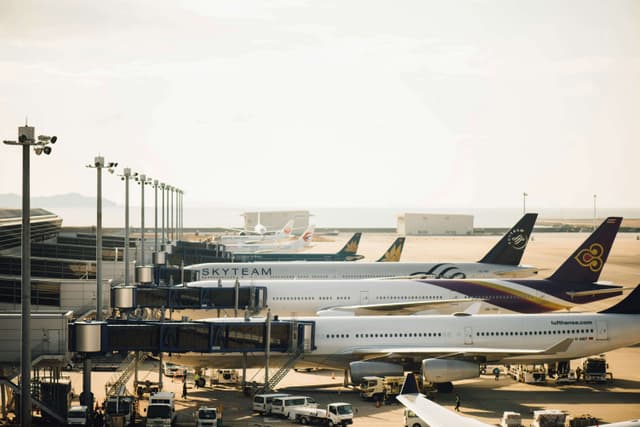
Thai Airways (TG) November 2025 Flight Statistics Report (Flight Volume, On-Time Performance, Cancellations)
Flight Volume and Growth TrendsThai Airways (TG) recorded a total of 6,914 arriving flights in November 2025. This represents a slight year-over-year decrease of -3.31%, indicating a minor contraction in flight operations compared to the same period last year. Despite the decrease, the airline continues to maintain a robust presence in the international aviation market, serving key destinations across Asia and beyond. The monthly flight volume reflects Thai Airways' commitment to providing consistent service to its passengers while navigating operational challenges.On-Time Performance AnalysisIn November 2025, Thai Airways achieved an impressive on-time performance rate of 90.90%. This marks a year-over-year improvement of +1.95% and a percentage point increase of +1.74 percentage points. The airline's focus on punctuality has contributed to enhanced passenger satisfaction and operational reliability. Thai Airways continues to prioritize timely departures and arrivals, ensuring a seamless travel experience for its customers.Cancellations and Operational StabilityThai Airways reported 45 flight cancellations in November 2025, reflecting a year-over-year increase of +5.43%. While the number of cancellations has risen slightly, the airline remains committed to minimizing disruptions and maintaining operational stability. Thai Airways' proactive measures to address unforeseen challenges demonstrate its dedication to delivering reliable service to passengers.Overall Assessment and OutlookNovember 2025 proved to be a mixed month for Thai Airways (TG), with strong on-time performance offsetting a slight decline in flight volume and an increase in cancellations. The airline's ability to maintain a high punctuality rate of 90.90% highlights its operational efficiency and focus on customer satisfaction. Looking ahead, Thai Airways is expected to continue refining its operations and enhancing its service offerings to meet passenger expectations and industry demands.Travel Recommendations and Passenger TipsPassengers flying with Thai Airways (TG) in the coming weeks are encouraged to utilize the NextFly App for a seamless travel experience. The app provides essential features such as live flight radar, boarding gate information, and on-time performance rates. Additionally, passengers can access details about their origin and destination airports, scheduled and actual times, and airport weather updates. With a punctuality rate of 90.90%, Thai Airways remains a reliable choice for travelers seeking efficient and comfortable journeys.
2025/12/04 01:46
Hawaiian Airlines (HA) November 2025 Flight Statistics Report (Flight Volume, On-Time Performance, Cancellations)
Flight Volume and Growth TrendsHawaiian Airlines (HA) recorded a total of 6,677 arriving flights in November 2025. This represents a slight year-over-year decrease of -1.33%. Despite the minor decline, the airline continues to maintain a significant presence in the aviation market, showcasing its commitment to serving passengers across its network. The monthly flight volume reflects Hawaiian Airlines' operational focus on connecting passengers to and from Hawaii, a key hub for both domestic and international travel.On-Time Performance AnalysisIn November 2025, Hawaiian Airlines achieved an impressive on-time performance rate of 94.22%. However, this marks a decrease of -2.60 percentage points compared to the same period last year. The airline's high punctuality rate underscores its dedication to operational efficiency, even as it faces challenges in maintaining its previous year's performance levels. Hawaiian Airlines remains a leader in on-time arrivals, setting a benchmark for reliability in the industry.Cancellations and Operational StabilityHawaiian Airlines reported 241 flight cancellations in November 2025, reflecting a year-over-year increase of +7.31%. While the rise in cancellations may pose challenges, the airline continues to prioritize passenger safety and operational stability. Hawaiian Airlines is actively working to minimize disruptions and ensure a seamless travel experience for its customers, reinforcing its reputation as a dependable carrier.Overall Assessment and OutlookNovember 2025 was a mixed month for Hawaiian Airlines (HA), with a slight decline in flight volume and on-time performance, coupled with an increase in cancellations. Despite these challenges, the airline's strong on-time performance rate of 94.22% highlights its operational excellence. Hawaiian Airlines remains committed to enhancing its services and addressing operational hurdles to maintain its position as a trusted airline for travelers to and from Hawaii.Travel Recommendations and Passenger TipsPassengers flying with Hawaiian Airlines in the coming weeks are encouraged to stay informed about their flight details using the NextFly App. The app provides real-time updates on scheduled and actual times, boarding gate information, and airport weather. With a flight volume of 6,677 and an on-time performance rate of 94.22%, Hawaiian Airlines continues to offer reliable service. Travelers are advised to plan ahead and utilize tools like the NextFly App to ensure a smooth and enjoyable journey.
2025/12/04 01:46
Asiana Airlines (OZ) November 2025 Flight Statistics Report (Flight Volume, On-Time Performance, Cancellations)
2025/12/04 01:46
Garuda Indonesia (GA) November 2025 Flight Statistics Report (Flight Volume, On-Time Performance, Cancellations)
2025/12/04 01:46
Scoot (TR) November 2025 Flight Statistics Report (Flight Volume, On-Time Performance, Cancellations)
2025/12/04 01:46
China Airlines (CI) November 2025 Flight Statistics Report (Flight Volume, On-Time Performance, Cancellations)
2025/12/04 01:46
Peach Aviation (MM) November 2025 Flight Statistics Report (Flight Volume, On-Time Performance, Cancellations)
2025/12/04 01:46
Delta Air Lines (DL) November 2025 Flight Statistics Report (Flight Volume, On-Time Performance, Cancellations)
2025/12/04 01:43
China Eastern Airlines (MU) November 2025 Flight Statistics Report (Flight Volume, On-Time Performance, Cancellations)
2025/12/04 01:43
China Southern Airlines (CZ) November 2025 Flight Statistics Report (Flight Volume, On-Time Performance, Cancellations)
2025/12/04 01:43