Airport News

Chengdu Tianfu (TFU) October 2025 Flight Statistics Report (Flight Volume, On-Time Performance, Cancellations)
Flight Volume and Growth TrendsIn October 2025, Chengdu Tianfu International Airport (TFU) recorded a total of 16,196 departing flights. This represents a slight year-over-year increase of +0.12%, indicating stable growth in flight operations. The airport continues to serve as a major hub in the region, maintaining its position as a key gateway for both domestic and international travel. The steady growth reflects the airport's ability to adapt to fluctuating travel demands and its commitment to operational excellence.On-Time Performance AnalysisChengdu Tianfu International Airport achieved an impressive on-time departure rate of 94.60% in October 2025. This marks an improvement of +0.80 percentage points compared to the same period last year. The high punctuality rate underscores the airport's efficient management and coordination with airlines, ensuring minimal delays for passengers. Such performance is particularly commendable given the increasing complexity of air traffic in the region.Cancellations and Operational StabilityDespite the overall positive performance, the airport reported 2,393 flight cancellations in October 2025, a significant year-over-year increase of +21.53%. This rise in cancellations highlights challenges such as adverse weather conditions and operational disruptions. However, the airport has implemented measures to mitigate the impact on passengers, including enhanced communication and support services during disruptions.Overall Assessment and OutlookChengdu Tianfu International Airport demonstrated strong operational performance in October 2025, with stable flight volumes and high on-time departure rates. While the increase in cancellations poses challenges, the airport's proactive measures aim to minimize passenger inconvenience. Looking ahead, TFU is expected to continue its growth trajectory, supported by infrastructure enhancements and strategic partnerships with airlines.Travel Recommendations and Passenger TipsPassengers traveling through Chengdu Tianfu International Airport are encouraged to utilize the NextFly App for a seamless travel experience. The app provides real-time updates on boarding gate information, check-in counter details, and baggage carousel assignments. Additionally, features such as live flight radar, airport weather updates, and on-time performance rates help passengers stay informed. For those with connecting flights, the app's arrival reminder and gate change alerts ensure a smooth journey. Travelers are advised to arrive early during peak hours and stay updated on any schedule changes to avoid disruptions.
2025/12/18 09:54
Shenzhen Bao'an (SZX) October 2025 Flight Statistics Report (Flight Volume, On-Time Performance, Cancellations)
Flight Volume and Growth TrendsIn October 2025, Shenzhen Bao'an International Airport (SZX) recorded a total of 17,708 departing flights. This represents a year-over-year increase of +3.19%, indicating a steady growth in flight operations compared to the same period in 2024. The airport continues to play a pivotal role in connecting domestic and international destinations, with a consistent rise in passenger and cargo traffic. The growth trend highlights the airport's increasing importance as a major aviation hub in the region.On-Time Performance AnalysisThe on-time performance rate for departing flights at Shenzhen Bao'an (SZX) in October 2025 was recorded at 83.22%. This marks a decrease of -5.40 percentage points compared to October 2024. While the overall punctuality remains relatively high, the decline suggests potential challenges in operational efficiency, possibly due to increased air traffic or weather-related disruptions. Efforts to improve scheduling and ground operations are essential to maintain high standards of service.Cancellations and Operational StabilityIn October 2025, Shenzhen Bao'an (SZX) experienced 1,288 flight cancellations, reflecting a year-over-year increase of +8.78%. The rise in cancellations may be attributed to adverse weather conditions or other operational challenges. Despite this, the airport has implemented measures to minimize passenger inconvenience, including enhanced communication and support services. Maintaining operational stability remains a key focus for the airport's management team.Overall Assessment and OutlookShenzhen Bao'an International Airport (SZX) demonstrated robust performance in October 2025, with a notable increase in flight volume and sustained high on-time performance rates. However, the rise in cancellations and the slight decline in punctuality highlight areas for improvement. As the airport continues to expand its capacity and enhance its infrastructure, it is well-positioned to meet the growing demands of air travel in the region. Future initiatives aimed at optimizing operations and improving passenger experience will be critical to sustaining its growth trajectory.Travel Recommendations and Passenger TipsPassengers traveling through Shenzhen Bao'an (SZX) in the coming months are advised to stay updated on flight schedules and potential delays. Utilizing tools like the NextFly App can enhance the travel experience by providing real-time updates on flight status, boarding gate information, and baggage carousel details. Additionally, the app offers features such as live flight radar, route maps, and delay alerts, ensuring passengers are well-informed throughout their journey. Travelers are encouraged to arrive at the airport early, especially during peak hours, to allow sufficient time for check-in and security procedures. Staying informed and prepared will help ensure a smooth and stress-free travel experience.
2025/12/18 09:54
Harry Reid (LAS) October 2025 Flight Statistics Report (Flight Volume, On-Time Performance, Cancellations)
2025/12/18 09:54
Phoenix Sky Harbor (PHX) October 2025 Flight Statistics Report (Flight Volume, On-Time Performance, Cancellations)
2025/12/18 09:54
Beijing Capital (PEK) October 2025 Flight Statistics Report (Flight Volume, On-Time Performance, Cancellations)
2025/12/18 09:54
Yogyakarta International Airport (YIA) October 2025 Flight Statistics Report (Flight Volume, On-Time Performance, Cancellations)
2025/12/18 09:54
Charlotte/Douglas (CLT) October 2025 Flight Statistics Report (Flight Volume, On-Time Performance, Cancellations)
2025/12/18 09:54
Denver International Airport (DEN) October 2025 Flight Statistics Report (Flight Volume, On-Time Performance, Cancellations)
2025/12/18 09:54
Davao (DVO) October 2025 Flight Statistics Report (Flight Volume, On-Time Performance, Cancellations)
2025/12/18 09:54
Kumamoto Airport (KMJ) October 2025 Flight Statistics Report (Flight Volume, On-Time Performance, Cancellations)
2025/12/18 09:54
Airline Insights
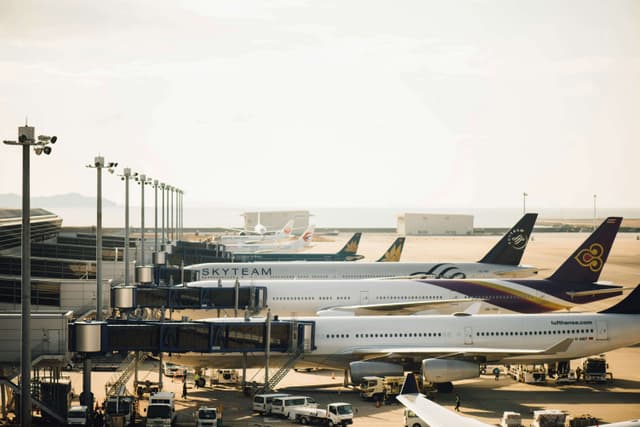
Sichuan Airlines (3U) October 2025 Flight Statistics Report (Flight Volume, On-Time Performance, Cancellations)
Flight Volume and Growth TrendsSichuan Airlines (3U) recorded a total of 19,332 arriving flights in October 2025. This represents a slight year-over-year decrease of -1.57%, reflecting a minor contraction in operational volume. Despite this decline, the airline continues to maintain a significant presence in the aviation market, serving a wide range of domestic and international destinations. The slight reduction in flight volume may be attributed to seasonal adjustments or strategic route optimizations. Sichuan Airlines remains committed to providing reliable services to its passengers while adapting to market demands.On-Time Performance AnalysisIn October 2025, Sichuan Airlines (3U) achieved an impressive on-time performance rate of 96.62%. This marks a slight improvement of 0.07 percentage points compared to the same period last year. The airline's commitment to punctuality is evident in its operational strategies, which prioritize efficient scheduling and proactive management of potential delays. This high on-time performance rate underscores Sichuan Airlines' dedication to ensuring a seamless travel experience for its passengers, reinforcing its reputation as a reliable carrier in the industry.Cancellations and Operational StabilityDuring October 2025, Sichuan Airlines (3U) reported 2,741 flight cancellations. This represents a year-over-year increase of 19.85%, indicating a notable rise in operational disruptions. While the reasons for this increase may vary, including weather conditions or air traffic control constraints, the airline is actively working to minimize cancellations and enhance operational stability. Sichuan Airlines remains focused on maintaining passenger trust by addressing these challenges and implementing measures to improve reliability in the future.Overall Assessment and OutlookSichuan Airlines (3U) demonstrated strong operational performance in October 2025, with a high on-time performance rate of 96.62% and a total flight volume of 19,332. However, the increase in cancellations, totaling 2,741, highlights areas for improvement in operational stability. The airline's slight decrease in flight volume, at -1.57% year-over-year, reflects a strategic adjustment to market conditions. Looking ahead, Sichuan Airlines is expected to continue refining its operations to enhance passenger satisfaction and maintain its competitive edge in the aviation industry.Travel Recommendations and Passenger TipsPassengers flying with Sichuan Airlines (3U) in the coming weeks are encouraged to utilize the NextFly App for a seamless travel experience. The app provides essential features such as live flight radar, boarding gate information, and real-time updates on scheduled and actual times. With a high on-time performance rate of 96.62%, passengers can expect reliable service. However, given the recent increase in cancellations, it is advisable to stay informed about flight status and potential changes. The NextFly App also offers tools like arrival reminders and airport weather updates, ensuring a smooth journey from start to finish.
2025/12/18 09:55
SkyWest Airlines (OO) October 2025 Flight Statistics Report (Flight Volume, On-Time Performance, Cancellations)
Flight Volume and Growth TrendsSkyWest Airlines (OO) demonstrated remarkable growth in October 2025, with a total of 18,980 arriving flights. This represents a significant year-over-year increase of +2754.14%, showcasing the airline's robust recovery and expansion efforts. The surge in flight volume highlights the airline's commitment to meeting growing passenger demand and expanding its operational capacity. SkyWest Airlines continues to strengthen its position in the aviation market, leveraging its extensive network and efficient operations to achieve these impressive results.On-Time Performance AnalysisIn October 2025, SkyWest Airlines (OO) achieved an on-time performance rate of 89.23%. While this is a commendable figure, it reflects a slight decline of -6.26% compared to the same period last year. The on-time performance also saw a decrease of -5.96 percentage points, indicating room for improvement in operational efficiency. Despite these challenges, the airline remains committed to enhancing its punctuality through strategic planning and real-time monitoring of flight schedules.Cancellations and Operational StabilitySkyWest Airlines (OO) reported a total of 38 flight cancellations in October 2025, maintaining a stable cancellation rate with no year-over-year change (0.00%). This consistency underscores the airline's operational reliability and its ability to manage disruptions effectively. By minimizing cancellations, SkyWest Airlines ensures a seamless travel experience for its passengers, reinforcing its reputation as a dependable carrier in the industry.Overall Assessment and OutlookOctober 2025 was a milestone month for SkyWest Airlines (OO), marked by exceptional growth in flight volume and a strong on-time performance rate. While there are areas for improvement, particularly in punctuality, the airline's stable cancellation rate reflects its operational resilience. Looking ahead, SkyWest Airlines is poised to build on its successes, leveraging data-driven strategies and customer-centric initiatives to further enhance its performance and passenger satisfaction.Travel Recommendations and Passenger TipsPassengers flying with SkyWest Airlines (OO) in the coming weeks can expect a reliable travel experience, supported by the airline's extensive network and operational stability. To stay informed about flight schedules, on-time performance rates, and airport updates, travelers are encouraged to use the NextFly App. This app provides real-time information on scheduled and actual times, boarding gate details, and baggage carousel updates. By utilizing these features, passengers can enjoy a smoother and more convenient journey with SkyWest Airlines.
2025/12/18 09:55
Super Air Jet (IU) October 2025 Flight Statistics Report (Flight Volume, On-Time Performance, Cancellations)
2025/12/18 09:55
Citilink (QG) October 2025 Flight Statistics Report (Flight Volume, On-Time Performance, Cancellations)
2025/12/18 09:55
T'way Air (TW) October 2025 Flight Statistics Report (Flight Volume, On-Time Performance, Cancellations)
2025/12/18 09:55
Philippines AirAsia (Z2) October 2025 Flight Statistics Report (Flight Volume, On-Time Performance, Cancellations)
2025/12/18 09:55
Batik Air (OD) October 2025 Flight Statistics Report (Flight Volume, On-Time Performance, Cancellations)
2025/12/18 09:55
Jin Air (LJ) October 2025 Flight Statistics Report (Flight Volume, On-Time Performance, Cancellations)
2025/12/18 09:55
Bahamasair (IW) October 2025 Flight Statistics Report (Flight Volume, On-Time Performance, Cancellations)
2025/12/18 09:55
Tianma Airlines (BC) October 2025 Flight Statistics Report (Flight Volume, On-Time Performance, Cancellations)
2025/12/18 09:55